
The Short Answer
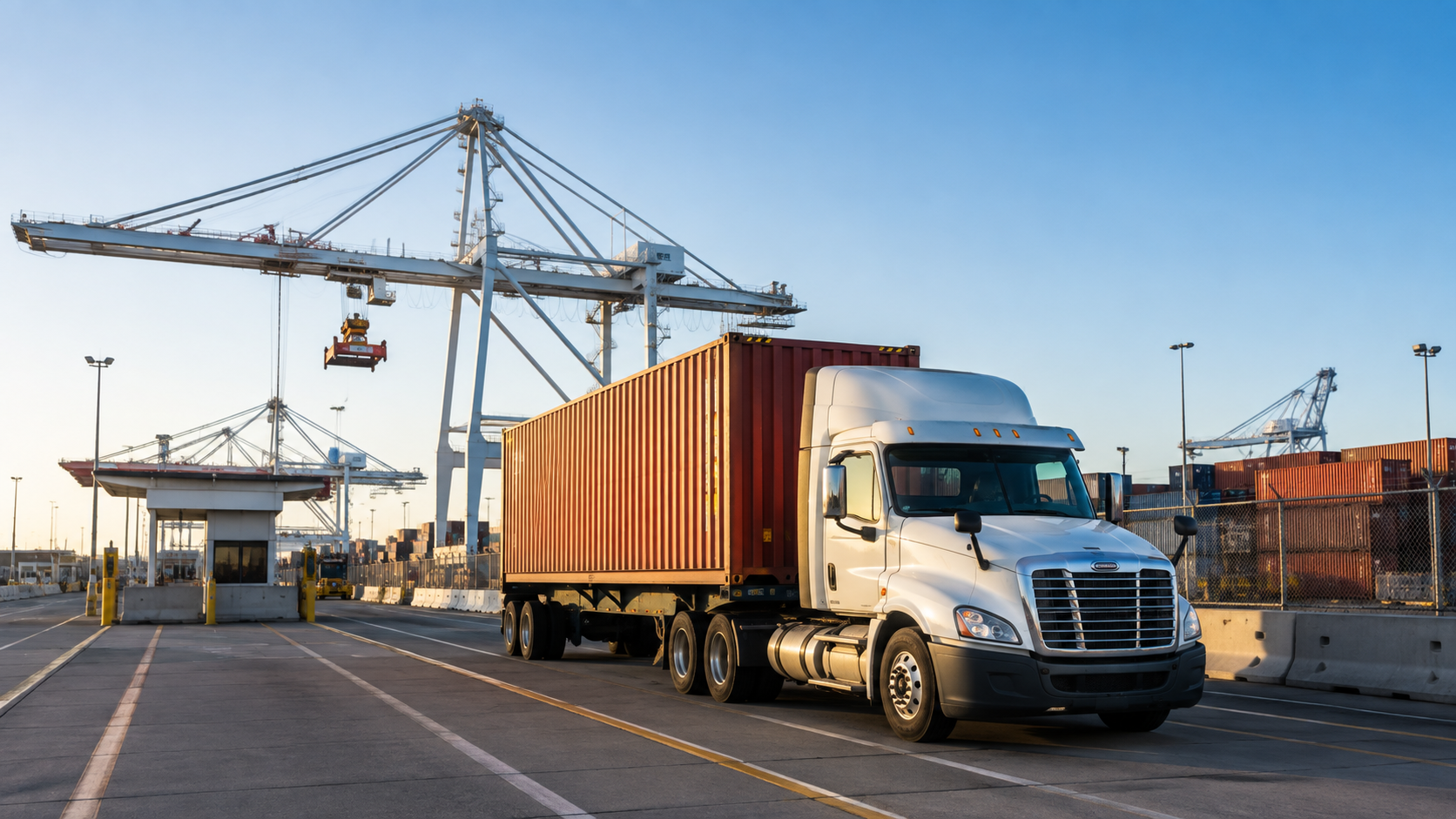
Port of Long Beach container pickup involves confirming shipment releases, container availability and the Last Free Day, then coordinating any required terminal appointment, chassis, warehouse delivery and empty return.
Ready to schedule a pickup? Learn about ITZON TRANSPORT's Port of Long Beach container pickup service.
Overview
Picking up an import container from the Port of Long Beach involves more than simply sending a truck to the terminal. The container must have the required releases, become available for pickup, have sufficient time remaining before its Last Free Day, and meet the applicable terminal requirements.
Terminal appointments, chassis coordination, traffic, congestion, and changing terminal conditions can also affect the pickup process.
Understanding these steps can help importers, freight forwarders, customs brokers, and logistics teams coordinate Port of Long Beach container pickup more effectively and reduce avoidable delays.
ITZON TRANSPORT provides container transport from the Port of Long Beach, including port drayage, terminal pickup, container delivery, and empty return coordination throughout Southern California.
Step 1: Confirm Releases & Container Availability
Before dispatching a driver, the shipment's release status and container availability should be verified.
Customs clearance is an important part of the process. The importer or customs broker typically handles the import entry and works with U.S. Customs and Border Protection (CBP) to obtain the required customs release.
However, customs release does not necessarily mean the container is immediately ready for pickup.
Other carrier, terminal, or shipment requirements may still need to be satisfied, and the container must also be discharged and available within the terminal's system.
For this reason, drayage planning should consider the container's complete status rather than relying on a single release.
Step 2: Check the Last Free Day
Another important part of container pickup is confirming the Last Free Day (LFD).
The Last Free Day is generally the final day a container can remain at the terminal within the applicable free-time period before demurrage charges may begin.
Vessel arrival, container discharge, release status, availability, and Last Free Day are related but are not necessarily the same date.
Checking the LFD early gives the drayage carrier more time to coordinate appointments, equipment, dispatch, and delivery before the container becomes urgent. Learn more about how to reduce the risk of demurrage and detention charges.
Step 3: Coordinate the Terminal Appointment
Terminal appointment requirements and procedures can vary by facility and transaction.
When an appointment is required, the drayage carrier coordinates the pickup based on container availability, terminal requirements, available appointment windows, driver scheduling, and delivery timing.
Appointment availability can change quickly, particularly during busy periods. Terminal congestion, operational changes, equipment availability, or other conditions may also affect pickup planning.
ITZON TRANSPORT coordinates terminal appointments when required as part of the drayage process.
Step 4: Terminal Pickup & Gate Process
Once the container is available, properly released, and the applicable pickup requirements are satisfied, the driver proceeds to the marine terminal.
Gate and pickup procedures vary by terminal, but generally involve driver identification, validating the transaction, entering the terminal, locating or receiving the assigned container, and completing the outbound gate process.
Drivers entering secure marine terminal areas must meet applicable access requirements, including Transportation Worker Identification Credential (TWIC) requirements where applicable.
Terminal congestion, equipment issues, yard conditions, or operational delays can affect how long the pickup takes.
Step 5: Chassis Coordination
A chassis is the wheeled equipment used to transport an ocean container by road.
Chassis arrangements can vary depending on the shipment, ocean carrier, equipment provider, terminal, and other operating requirements.
Before pickup, the drayage carrier should determine the appropriate chassis arrangement for the container and confirm that the equipment is suitable for the shipment.
ITZON TRANSPORT maintains chassis equipment for common container sizes and coordinates chassis requirements as part of its Port of Long Beach drayage operations.
Step 6: Container Transport, Delivery & Empty Return
After pickup from the Port of Long Beach, the loaded container is transported to the customer's warehouse, distribution center, or other delivery location. ITZON TRANSPORT provides container transport from the Port of Long Beach to destinations throughout Southern California.
Delivery planning should account for the receiving facility's operating hours, delivery appointment, dock or unloading area, and the amount of time required to unload the container.
After unloading, the empty container is returned to the appropriate terminal or designated return location. Empty-return instructions and receiving conditions can change, so the correct return location should be verified before dispatch.
Proper coordination of delivery appointments and empty returns helps avoid unnecessary delays and additional charges. ITZON TRANSPORT coordinates container delivery and empty return as part of its Southern California drayage service. See our Service Areas to confirm coverage for your delivery location.
Planning a Port of Long Beach Container Pickup?
Successful container pickup depends on good coordination between the importer, customs broker, freight forwarder, warehouse, and drayage carrier. Providing shipment information early gives the trucking company more time to monitor container status, coordinate appointments and equipment, plan delivery, and manage the empty return.
ITZON TRANSPORT provides Port of Long Beach container transport and drayage services throughout Southern California for importers, freight forwarders, logistics providers, and businesses moving containerized cargo.
Request a Drayage Quote →