
What Is Demurrage?
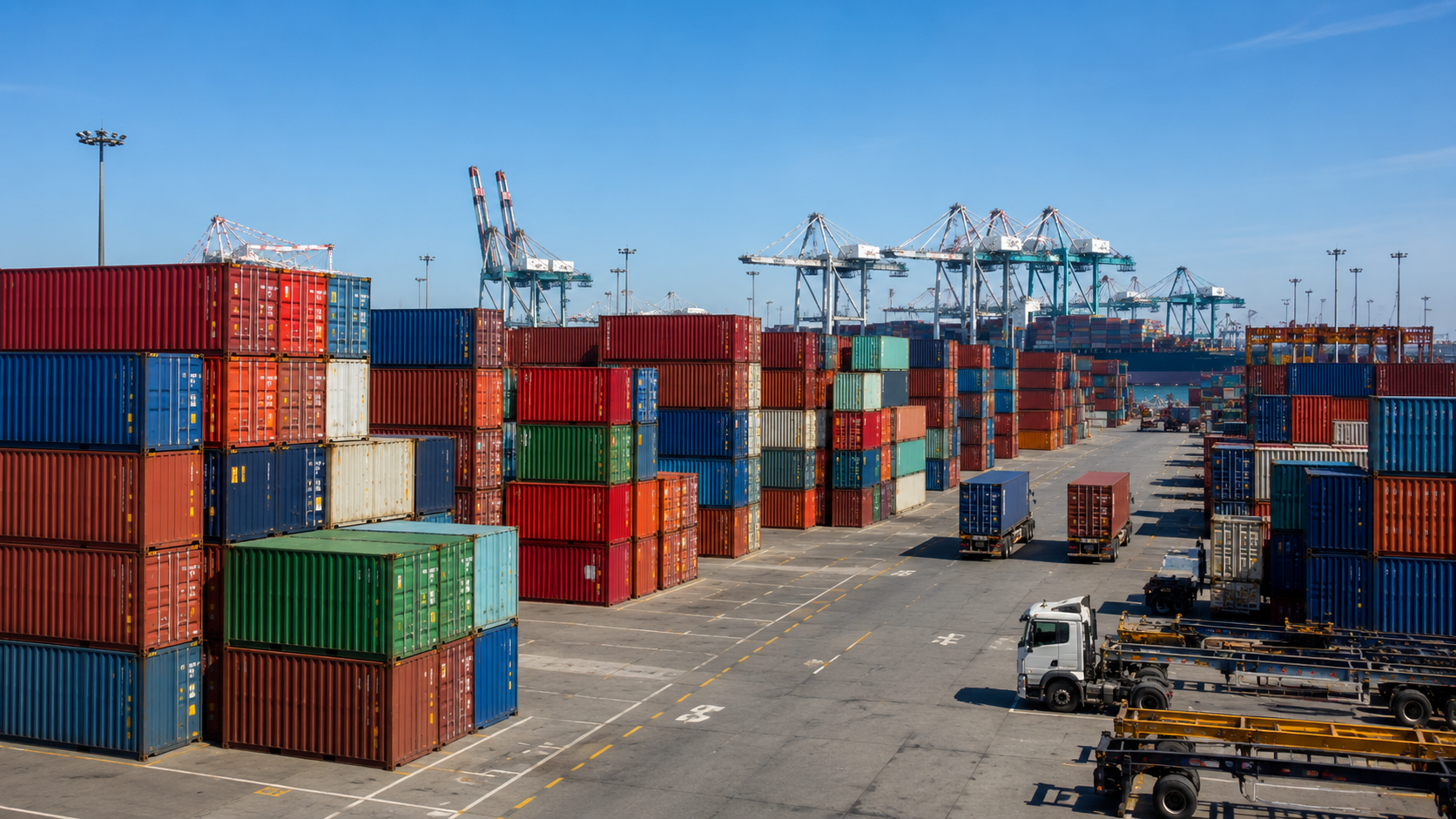
Demurrage is a charge that can apply when an import container remains at the marine terminal beyond the applicable free-time period.
The amount of free time and how charges are calculated can vary depending on the ocean carrier, terminal, shipment terms, and other applicable rules. This is why importers should monitor both container availability and the Last Free Day (LFD) rather than relying only on the vessel arrival date.
Once the applicable free time expires, demurrage charges may begin to accrue according to the applicable carrier or terminal terms.
Planning customs clearance, cargo release, terminal appointments, and drayage early can help reduce the risk of these charges.
What Is Detention or Container Per Diem?
Detention generally applies when an ocean carrier's container has been picked up from the terminal but is kept outside the terminal beyond the allowed free time for equipment use.
You may also hear this type of charge referred to as container per diem, depending on the carrier and situation.
For example, after a loaded import container is delivered to a warehouse, the customer needs time to unload it so the empty container can be returned to an approved location. If the container is kept beyond the applicable free-time period, detention or per diem charges may apply.
This is different from demurrage:
- Demurrage generally concerns a container remaining at the terminal beyond applicable free time.
- Detention / container per diem generally concerns keeping the ocean carrier's container outside the terminal beyond applicable free time.
Always review the applicable carrier terms for the specific shipment.
What About Chassis Charges?
Chassis charges should be treated separately from ocean-container demurrage and detention.
A chassis provider may charge for use of the chassis based on the applicable rental or usage terms. Additional chassis days can occur when a container remains out for delivery, unloading, storage, or empty return.
Because the ocean container and chassis are separate pieces of equipment, a shipment can potentially incur different types of charges at the same time.
Understanding this distinction helps importers evaluate invoices and identify where additional costs are coming from.
How These Charges Can Accrue
A simplified import-container timeline may look like this:
- Container discharged: The container is unloaded from the vessel into the terminal.
- Container becomes available: Required releases and terminal conditions are satisfied and pickup can be coordinated.
- Last Free Day approaches: The drayage carrier needs sufficient time to secure any required appointment and complete pickup.
- Container remains at terminal beyond applicable free time: Demurrage charges may begin.
- Container is picked up and delivered: The ocean container is now outside the terminal.
- Container is unloaded: The empty container should be returned as soon as practical.
- Empty container remains out beyond applicable free time: Detention or container per diem charges may apply.
- Chassis remains in use: Separate chassis charges may continue according to the chassis provider's terms.
The exact sequence, free-time periods, and charges can vary by shipment, carrier, terminal, equipment provider, and contract.
How to Reduce Demurrage and Detention Risk
The best approach is proactive coordination before the container becomes urgent.
Prepare Customs Documentation Early
Work with your customs broker before vessel arrival whenever possible. Delays in customs clearance or other required releases can reduce the time available to coordinate pickup.
Monitor Container Status and Last Free Day
Track the container's discharge, availability, release status, and Last Free Day (LFD). Do not assume that vessel arrival, discharge, availability, and LFD occur at the same time.
Coordinate Drayage Early
Provide your import container drayage carrier with the shipment information as early as possible instead of waiting until the final free day. This gives the carrier more time to monitor availability, plan equipment, secure terminal appointments when required, and coordinate delivery.
Make Sure the Receiving Facility Is Ready
Confirm the warehouse's receiving hours, delivery appointment, dock availability, and ability to unload the container. A container that cannot be unloaded promptly may remain out longer and increase exposure to detention and equipment charges.
Plan the Empty Return
The process does not end when the loaded container reaches the warehouse. After unloading, the empty container must be returned to an approved location. Return instructions and receiving conditions can change, so they should be verified before dispatching the empty.
How Your Drayage Carrier Helps
An experienced drayage carrier can help coordinate the operational details that affect container pickup and return.
ITZON TRANSPORT coordinates Port of Long Beach container pickup and container delivery throughout Southern California, including container-status monitoring, terminal appointment coordination when required, driver dispatch, delivery scheduling, and empty-container return.
Good communication between the importer, customs broker, warehouse, and drayage carrier can help identify potential delays before they become costly problems.
What If a Demurrage or Detention Charge Looks Incorrect?
If you receive a demurrage or detention invoice that appears incorrect, review the shipment records before paying or disputing the charge.
Useful documentation may include:
- Container availability information
- Last Free Day information
- Terminal appointment records
- Gate-in and gate-out timestamps
- Pickup and delivery records
- Empty-return records
- Terminal closure or operational notices when applicable
- The invoice and applicable carrier terms
Compare the invoice against the actual shipment timeline and the applicable free-time rules.
The Federal Maritime Commission (FMC) maintains rules and resources concerning ocean-carrier demurrage and detention billing practices. Because regulations and procedures can change, customers with a billing dispute should review the current FMC guidance and the applicable carrier's dispute process.
Need Help With Your Next Port of Long Beach Shipment?
Avoiding unnecessary port and equipment charges starts with good planning and communication. ITZON TRANSPORT provides Port of Long Beach drayage and container transportation throughout Southern California, helping customers coordinate pickup, delivery, and empty-container return.
Request a Drayage Quote →