
The Short Answer
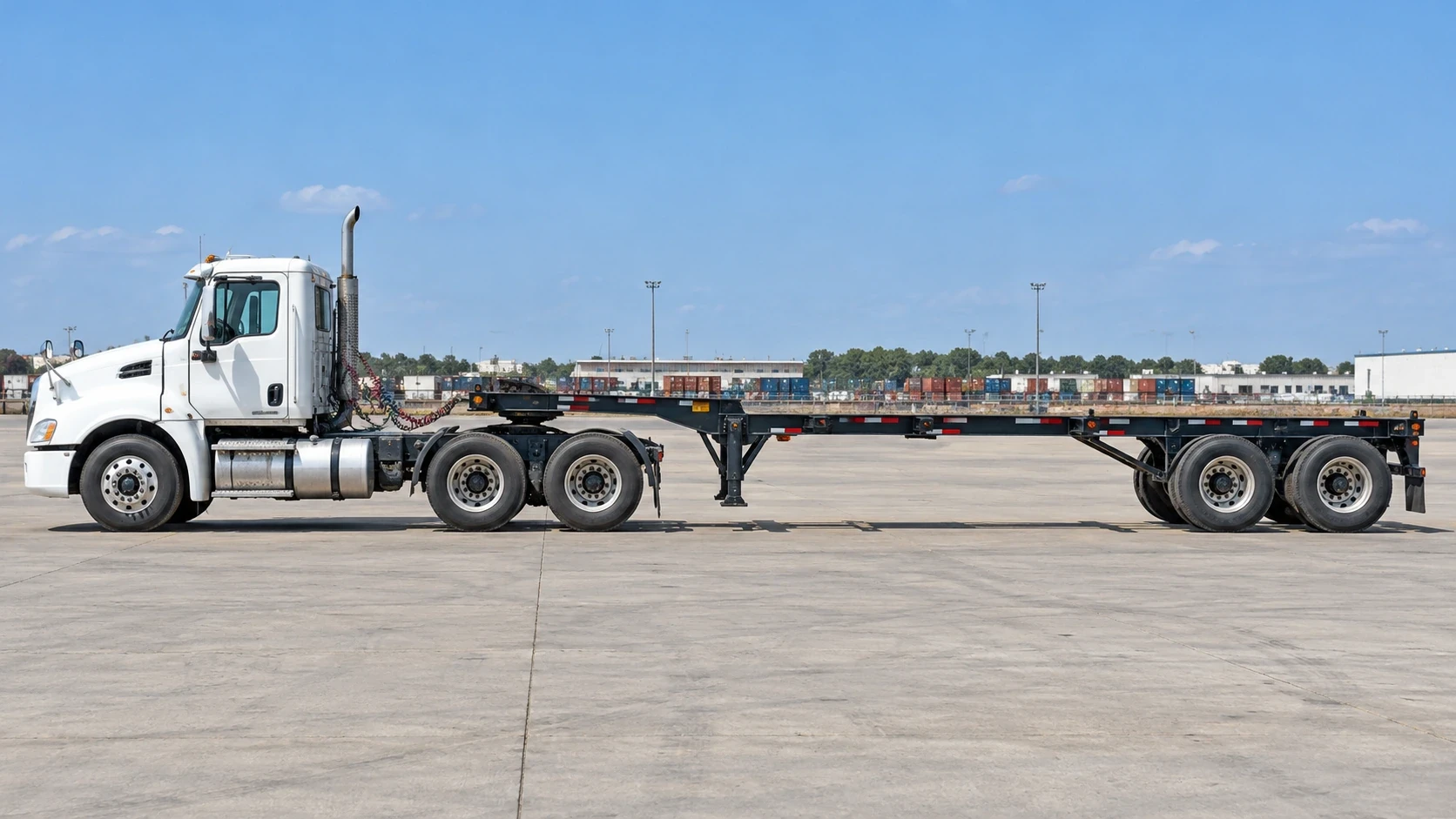
A container chassis is a wheeled trailer frame that carries a shipping container by road. In port drayage, chassis coordination includes selecting suitable equipment, arranging availability, and accounting for usage time and any applicable chassis or chassis-split charges.
Overview
When an ocean container leaves a marine terminal by truck, the container usually needs specialized equipment underneath it for transportation. That equipment is called a container chassis.
A container chassis is a wheeled trailer frame designed to carry an intermodal shipping container over the road. The container is secured to the chassis so a tractor can transport it between a port, rail facility, warehouse, distribution center, or other destination.
For importers and logistics teams, chassis coordination is an important part of port drayage. Chassis availability, equipment location, container size, and the amount of time equipment is used can all affect how a container move is planned.
This guide explains what a container chassis is, how it is used in drayage, and why chassis coordination matters when moving containers from the port.
How Does a Container Chassis Work?
Unlike a conventional semi-trailer that includes its own enclosed cargo area, an ocean container is a separate piece of equipment.
The chassis provides the wheeled frame needed to transport that container by road.
During a typical container move, a tractor connects to the chassis and the container is positioned and secured on the chassis. Once the equipment is properly connected and ready for transportation, the driver can move the loaded container to its delivery destination.
After the cargo is unloaded, the empty container may still remain on the chassis while it is transported to the appropriate return location.
Because the chassis can remain involved from terminal pickup through delivery and empty return, equipment planning is an important part of the overall drayage process.
Why Are Chassis Important in Port Drayage?
A container cannot simply be attached directly to a tractor.
The chassis serves as the road-going platform that allows the container to be transported safely as part of a tractor-trailer combination.
For a drayage provider, coordinating the correct equipment is part of preparing for container pickup.
Before dispatch, the trucking provider may need to consider the container size, equipment availability, terminal requirements, delivery requirements, and return instructions.
If the appropriate equipment is not available when needed, it can affect the timing of the container move.
Common Container Chassis Sizes
Container chassis are designed for different ocean container sizes and configurations. Common container sizes used in international shipping include:
- 20-foot containers
- 40-foot containers
- 45-foot containers
The appropriate chassis must be selected for the container being transported.
Equipment configuration and availability can vary, so the drayage provider should confirm the container and chassis requirements before pickup.
Who Provides the Chassis?
The chassis used for a drayage move may come from different sources depending on the port, terminal, ocean carrier, equipment arrangement, and trucking provider.
In some situations, chassis equipment may be supplied through a chassis pool or equipment provider. Some trucking companies also maintain their own chassis equipment.
Because equipment arrangements can differ from shipment to shipment, importers should not assume that chassis usage is handled the same way for every container.
The drayage provider can determine the appropriate equipment arrangement based on the shipment requirements.
What Is a Chassis Fee?
A chassis fee is a charge associated with using chassis equipment for a container move.
Depending on the provider and transportation arrangement, chassis usage may be included in the quoted transportation rate or listed separately.
Chassis charges may also depend on how long the equipment remains in use.
For example, if a loaded container remains at a warehouse before unloading or if the empty container cannot be returned promptly, the chassis may remain tied to that shipment for additional time.
Businesses reviewing a drayage quote should confirm how chassis usage is handled and whether equipment charges are included or separate. For a broader overview of how these charges fit into the overall cost of a move, see our guide to drayage costs.
What Is a Chassis Split?
A chassis split can occur when the container and the required chassis are located at different facilities.
In that situation, additional equipment movement may be necessary before the container can be picked up or after equipment is returned.
For example, a driver may need to obtain a chassis from one location before proceeding to the terminal where the container is available.
Because a chassis split can require additional trucking time and equipment coordination, it may result in an additional charge depending on the transportation arrangement.
Not every container move requires a chassis split.
How Can Chassis Availability Affect Container Pickup?
Chassis availability can influence how efficiently a container is picked up from a marine terminal.
If the appropriate chassis is unavailable or located somewhere other than the container terminal, additional coordination may be required.
Equipment availability can also change as containers move through the port complex and trucking companies coordinate multiple shipments.
For this reason, chassis planning should be considered along with container availability, terminal appointments, releases, Last Free Day, and delivery scheduling.
Good coordination helps reduce the risk of equipment-related delays.
How Long Is a Chassis Used?
The amount of time a chassis is needed depends on the container move.
For a straightforward delivery, the chassis may be used from terminal pickup through delivery and empty return.
Other shipments may require the container to remain on the chassis longer because of warehouse scheduling, unloading requirements, storage arrangements, or empty-return conditions.
Since chassis usage can sometimes be charged according to the amount of time the equipment is used, efficient unloading and empty-return coordination can help avoid unnecessary equipment days.
Chassis Coordination at the Port of Long Beach
Container moves from the Port of Long Beach require coordination between the container, marine terminal, tractor, chassis, driver, delivery facility, and empty-return location.
Before pickup, the drayage provider should verify the shipment requirements and determine the appropriate equipment arrangement.
ITZON TRANSPORT maintains chassis equipment for common container sizes and coordinates chassis requirements as part of its Port of Long Beach import container drayage service.
Proper chassis planning helps support efficient terminal pickup, container transportation, delivery, and empty return throughout the overall drayage process. For a step-by-step overview of how a container move works, see our guide to Port of Long Beach container pickup.
What Should Importers Know About Chassis?
Importers and logistics teams do not necessarily need to manage the physical chassis themselves, but understanding the equipment can make drayage quotes and container planning easier to understand.
Before arranging a container move, it can be helpful to know:
- The container size
- The marine terminal
- The delivery location
- The expected delivery schedule
- Whether the container will be unloaded immediately
- Whether special equipment requirements apply
- When and where the empty container must be returned
Providing complete shipment information allows the drayage provider to plan the appropriate equipment before dispatch.
Frequently Asked Questions
Need Help with a Port of Long Beach Container Move?
ITZON TRANSPORT provides Port of Long Beach drayage and container transportation throughout Southern California.
Our drayage operations include coordination of terminal pickup, chassis equipment, container delivery, and empty return based on the requirements of the shipment. For pricing on a specific container move, provide the terminal, container size, delivery location, and requested timing.
Request a Drayage Quote →