
Port Pickup & Container Delivery
What Is a Trouble Ticket at a Container Terminal?
Published
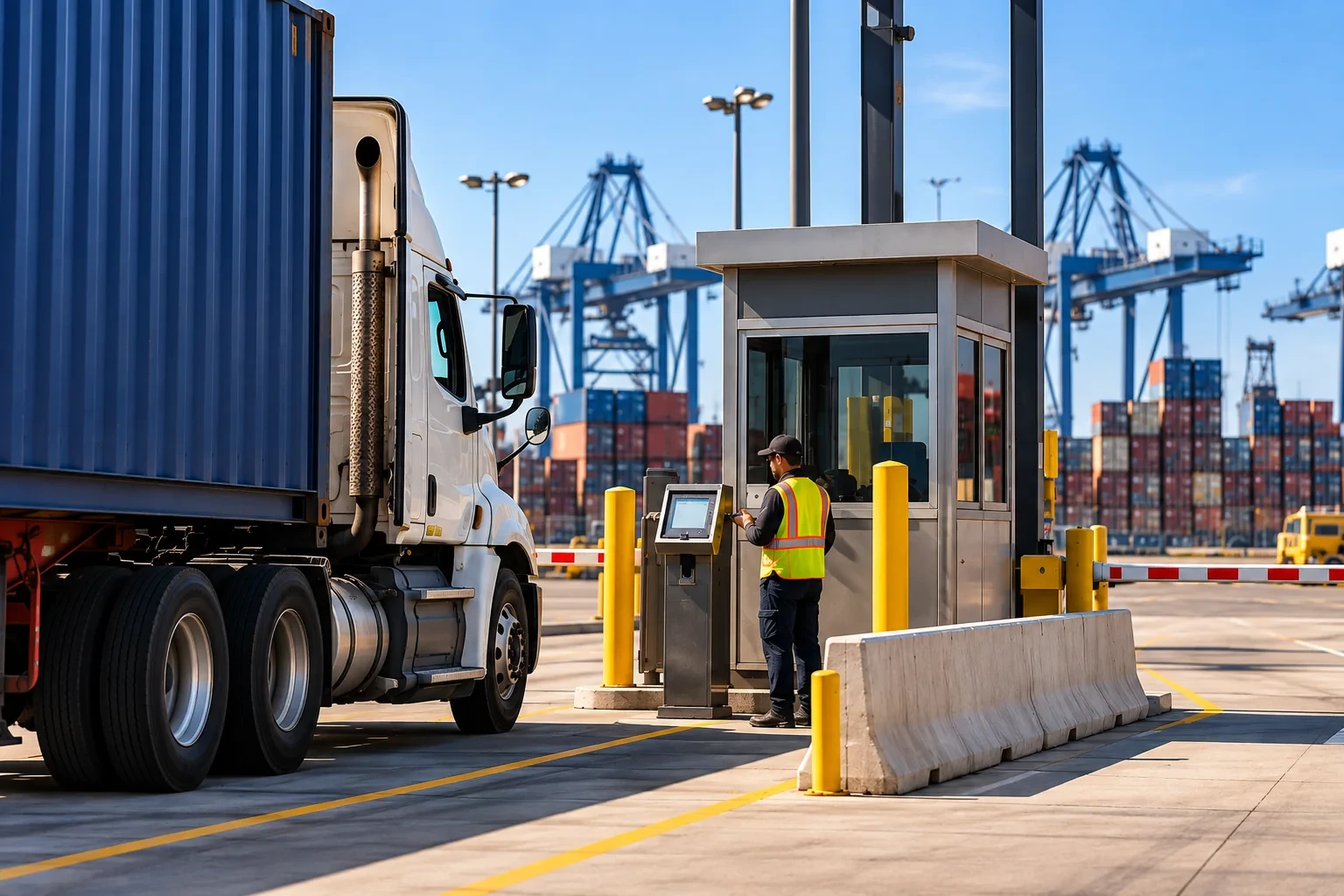
When a truck driver arrives at a marine terminal to pick up or deliver a container, the transaction is expected to proceed through the gate and terminal systems without interruption. When something prevents that from happening — a status issue, an information mismatch, an equipment concern, or another exception — the terminal may issue what is commonly called a trouble ticket. Understanding what a trouble ticket is, why one may be issued, and what happens next can help importers, freight forwarders, and logistics coordinators respond more effectively when one occurs.
Short Answer
A trouble ticket is generally issued when a container-terminal transaction cannot proceed normally and requires additional review or assistance. The underlying reason may involve container availability, appointment or booking information, a release issue, equipment, payment status, or another terminal exception. The driver may be directed to driver assistance, a trouble window, customer service, or another terminal-specific resolution process. Procedures and terminology vary by terminal.
What Is a Trouble Ticket at a Container Terminal?
A trouble ticket — sometimes called a problem ticket or terminal exception — is a notation or flag that a terminal transaction requires additional attention before it can proceed. When a driver presents at the gate or attempts to complete a terminal move and the terminal's systems or personnel identify an issue, the transaction may be interrupted and the driver directed to a designated area for resolution.
The term is used broadly across marine terminals, though the specific terminology, process, and resolution channels vary by terminal operator. PierPass, which coordinates off-peak terminal access programs at several Southern California marine terminals, has published resources on the trouble-ticket concept and pre-dispatch verification practices as part of its Trouble Ticket Initiative.
Why Do Drivers Receive Trouble Tickets?
There is no single universal cause. A trouble ticket may be issued for a wide range of reasons depending on the terminal, the type of move (import pickup, export delivery, empty return), and the specific circumstances of the transaction. The underlying issue may be something the drayage carrier can address quickly, or it may require action from another party — the ocean carrier, the importer, a customs broker, or the terminal itself.
Because terminal procedures and systems differ, the same underlying condition may be handled differently at different terminals. What one terminal flags as a trouble ticket, another may handle through a different process or under a different name.
Common Reasons for a Trouble Ticket
The following categories represent common reasons a terminal transaction may be flagged. This is not an exhaustive or universal list — terminal-specific conditions and procedures vary.
- •Container not available for pickup. The container may not yet be discharged, located, or released for normal terminal pickup. See Why Is My Container Not Available for Pickup?
- •Appointment or booking information issue. The terminal appointment may be missing, mismatched, or not recognized by the terminal's system for the specific container or move type. For example, APM Terminals Pier 400 (Port of Los Angeles) instructs that an incorrect or unrecognized appointment number can result in a trouble ticket, with the driver directed to a trouble window and advised to contact dispatch for the correct information. Procedures at other terminals vary.
- •Release or status issue. An applicable release — ocean-carrier freight release, customs release, or another required authorization — may not yet be reflected in the terminal's system.
- •Applicable unpaid charges. Depending on the terminal and carrier, outstanding demurrage, detention, or other applicable charges may need to be addressed before the transaction can proceed.
- •Equipment or chassis concern. The chassis or equipment presented may not meet the terminal's requirements for the specific container or move.
- •Incorrect or incomplete transaction information. A mismatch in container number, booking reference, truck or driver credentials, or other transaction data may prevent the terminal system from processing the move.
- •Terminal system or operational exception. Some trouble tickets reflect operational conditions at the terminal — equipment positioning, yard congestion, or a system exception — rather than a problem with the transaction itself.
Is a Trouble Ticket the Same as a Container Hold?
Important Distinction
Trouble Ticket ≠ Container Hold
A trouble ticket describes an exception during a terminal transaction that requires additional attention. A customs hold, ocean-carrier release issue, or terminal restriction may be the underlying reason in some situations, but a trouble ticket does not by itself identify the underlying problem.
A container hold — whether a CBP customs hold, an ocean-carrier freight release issue, or a terminal-level restriction — is a specific condition that prevents a container from being eligible for normal pickup. A trouble ticket is a broader term for a transaction exception that may or may not involve a hold. Not every trouble ticket means a container is on hold, and not every container hold necessarily surfaces as a trouble ticket at the gate. For a detailed explanation of the different types of holds, see Container Holds Explained: Customs Hold vs. Freight Hold vs. Terminal Hold.
What Happens When a Driver Gets a Trouble Ticket?
When a trouble ticket is issued, the normal terminal transaction is interrupted. The driver is typically directed to a designated resolution area — which may be called driver assistance, a trouble window, a gate clerk station, customer service, or another terminal-specific channel depending on the terminal.
At that point, terminal personnel or the driver assistance team will attempt to identify the underlying issue. Depending on what is found, the resolution may be straightforward — correcting a data entry error, confirming an appointment, or verifying a release that has already been processed — or it may require the dispatcher, importer, ocean carrier, customs broker, or another party to take action before the transaction can continue.
If the issue cannot be resolved during the driver's visit, the pickup may need to be rescheduled.
Who Resolves a Trouble Ticket?
Responsibility for resolving a trouble ticket depends entirely on the underlying cause. Depending on the situation, one or more of the following parties may need to take action:
- •Marine terminal — for operational exceptions, yard issues, or terminal system problems
- •Ocean carrier — for freight release issues, booking discrepancies, or carrier-controlled holds
- •Customs broker or importer — for CBP-related holds, entry issues, or documentation requirements
- •Dispatcher or drayage carrier — for appointment corrections, transaction information issues, or equipment concerns within the carrier's control
- •Equipment provider — for chassis-related issues requiring a different piece of equipment
In many cases, identifying which party controls the underlying issue is the first step toward resolution.
Can a Drayage Carrier Clear a Trouble Ticket?
A drayage carrier can often help identify the issue, communicate with the driver at the terminal, verify transaction information, coordinate with the appropriate parties, and work to resume the pickup when terminal conditions allow. For issues within the carrier's control — such as correcting appointment information or addressing an equipment concern — the carrier may be able to facilitate a resolution directly.
However, a drayage carrier cannot independently override restrictions controlled by other parties. ITZON TRANSPORT cannot clear a CBP or government hold, force an ocean-carrier freight release, override a terminal-controlled restriction, or satisfy another party's payment or documentation requirement. When the underlying issue is controlled by another party, that party must take action before the terminal transaction can proceed.
How Long Does a Trouble Ticket Take to Resolve?
Resolution time varies substantially and cannot be predicted in advance. Factors that affect how quickly a trouble ticket can be resolved include:
- •The specific reason for the exception
- •The terminal's procedures and staffing at the time
- •Whether corrected information or documentation is immediately available
- •Whether another party must take action before the terminal can proceed
- •Whether the container and equipment are operationally available once the issue is addressed
Some trouble tickets are resolved during the same terminal visit. Others require rescheduling the pickup after the underlying issue has been addressed by the responsible party.
Can a Trouble Ticket Cause a Missed Pickup?
Not every trouble ticket results in a missed appointment. If the issue is resolved quickly, the transaction may continue during the same visit. If it cannot be resolved before the appointment window closes or the terminal's operating hours end, the pickup will need to be rescheduled.
For more on how terminal appointments work at the Port of Long Beach, see Port of Long Beach Terminal Appointments: How They Work.
Does a Trouble Ticket Affect Last Free Day or Demurrage?
A trouble ticket should not be assumed to automatically extend Last Free Day or stop demurrage from accruing. The effect, if any, depends on the underlying circumstances and the applicable carrier and terminal rules. Importers should continue monitoring Last Free Day while a trouble-ticket issue is being resolved and verify applicable free-time rules, billing, and dispute procedures with the relevant ocean carrier and terminal. For more, see What Is Last Free Day (LFD)? and How to Avoid Container Demurrage.
How Can Trouble Tickets Be Reduced Before Dispatch?
Pre-dispatch verification can reduce avoidable trouble-ticket situations, though it cannot prevent every possible terminal exception. Some exceptions are operational or otherwise outside the trucking company's control. PierPass publishes a Pre-Dispatch / Departure Checklist and Terminal Contacts as a general reference for carriers and dispatchers.
Practical pre-dispatch checks may include:
- •Verify container availability and that the container is eligible for normal terminal pickup
- •Confirm applicable releases — freight release, customs release, and any other required authorizations — are reflected in the terminal's system
- •Verify terminal appointment information, including that the appointment is valid for the specific container and move type
- •For export moves, confirm booking information and that the booking is recognized by the terminal
- •Check terminal-specific instructions and any applicable fee or payment requirements
- •Confirm equipment and transaction requirements for the specific terminal and container
- •Recheck status close to dispatch time — terminal conditions and container availability can change between when a pickup is scheduled and when the driver arrives
APM Terminals Pier 400 (Port of Los Angeles) publishes driver information and practical guidance and truck appointment system guidance, including specific examples of how appointment issues can result in a trouble ticket at that terminal. Procedures at other terminals vary.
What Information Should an Importer Provide the Drayage Carrier?
Providing complete and accurate information at the time of booking helps the drayage carrier verify status and prepare for the terminal transaction. Depending on the move, useful information may include:
- •Container number and size/type
- •Ocean carrier
- •Terminal
- •Delivery location
- •Relevant release or reference information
- •Known Last Free Day
- •Appointment-related information if applicable
- •Any known holds or restrictions
- •Special cargo or equipment requirements where applicable
How ITZON TRANSPORT Handles Terminal Trouble-Ticket Situations
ITZON TRANSPORT coordinates Port of Long Beach container pickup and communicates with drivers when terminal exceptions occur. When a trouble ticket is issued, dispatch works to identify the nature of the issue, verify available information, and determine which party appears to control the underlying problem.
Depending on the issue, ITZON TRANSPORT may help correct transaction information within the carrier's control, communicate status to the customer, coordinate with the appropriate parties, and arrange another pickup attempt or continued terminal processing when conditions allow.
ITZON TRANSPORT does not control terminal systems, terminal appointment inventory, or restrictions imposed by CBP, ocean carriers, or terminal operators. When the underlying issue is controlled by another party, that party must take action before the terminal transaction can proceed. For more on Port of Long Beach import container pickup, see Port of Long Beach Container Pickup.
Frequently Asked Questions
What is a trouble ticket at a container terminal?
A trouble ticket is generally issued when a container-terminal transaction cannot proceed normally and requires additional review or assistance. The driver may be directed to a driver assistance area, trouble window, or another terminal-specific resolution channel. Procedures and terminology vary by terminal.
Why would a truck driver get a trouble ticket at the port?
There is no single universal cause. Common categories include container availability issues, appointment or booking information problems, release or status issues, equipment or chassis concerns, applicable unpaid charges, incorrect transaction information, or other terminal exceptions. The specific reason depends on the terminal and the circumstances of the transaction.
Is a trouble ticket the same as a container hold?
No. A trouble ticket describes an exception during a terminal transaction that requires additional attention. A customs hold, ocean-carrier release issue, or terminal restriction may be the underlying reason in some situations, but a trouble ticket does not by itself identify the underlying problem.
Can a driver still pick up the container after receiving a trouble ticket?
It depends on the underlying issue and the terminal's procedures. If the issue can be resolved — for example, by correcting appointment information or confirming a release — the transaction may be able to continue. If the underlying problem requires action by another party, the pickup may need to be rescheduled.
Who fixes a terminal trouble ticket?
Responsibility depends on the underlying cause. Depending on the situation, the marine terminal, ocean carrier, customs broker, importer, dispatcher, equipment provider, or another responsible party may need to take action. The drayage carrier can help identify the issue and coordinate, but cannot independently override restrictions controlled by other parties.
How long does it take to resolve a trouble ticket?
Resolution time varies substantially depending on the reason for the exception, the terminal's procedures, whether corrected information is immediately available, and whether another party must take action. Some issues can be resolved quickly; others may require rescheduling the pickup.
Can a trouble ticket cause a missed terminal appointment?
A trouble-ticket delay can interfere with a planned terminal transaction or appointment depending on timing and terminal procedures. Not every trouble ticket results in a missed appointment, but delays caused by unresolved exceptions can affect the planned pickup window.
Can trouble tickets be avoided?
Pre-dispatch verification — confirming container availability, applicable releases, appointment information, and relevant fees — can reduce avoidable trouble-ticket situations. However, some exceptions are operational or otherwise outside the trucking company's control, and no pre-dispatch process can prevent every possible terminal exception.
Sources
Related Guides
Container Holds Explained: Customs Hold vs. Freight Hold vs. Terminal Hold
What customs holds, freight holds, and terminal holds mean for Port of Long Beach import containers, who controls them, and what happens next.
Port of Long Beach Terminal Appointments: How They Work
How terminal appointments work at the Port of Long Beach, including how to schedule, what to verify before dispatch, and what can affect pickup.
Why Is My Container Not Available for Pickup?
Common reasons an import container may not be available for pickup after vessel arrival and what to check before scheduling a Port of Long Beach pickup.
Port of Long Beach Container Pickup
What to expect during Port of Long Beach container pickup, from releases and Last Free Day through terminal appointments and delivery.
Need Help Coordinating a Port of Long Beach Container Pickup?
ITZON TRANSPORT provides import container drayage from the Port of Long Beach throughout Southern California. If a terminal issue affects a planned pickup, our dispatch team can help coordinate the transportation side of the move and keep you updated as conditions change.
Request a Drayage Quote