
Container Holds Explained: Customs Hold vs. Freight Hold vs. Terminal Hold
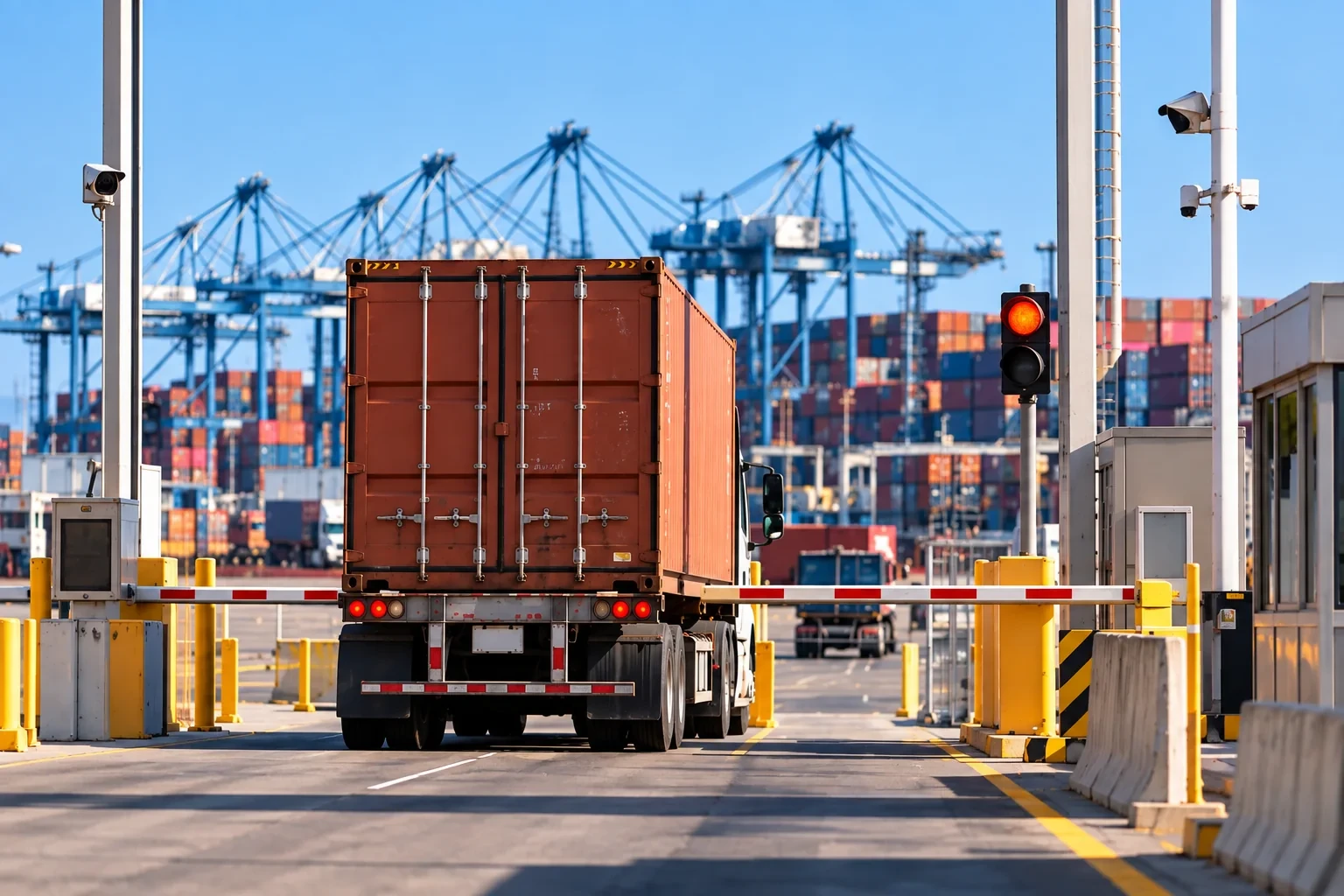
When an import container shows a hold or is not available for pickup, the situation can involve different parties and different types of restrictions. A government review, an ocean-carrier release issue, and a terminal-level restriction are not necessarily the same thing — and they may require action from different parties before the container becomes eligible for normal pickup.
Quick Answer
When an import container shows a hold, the first step is identifying what type of hold or release issue is involved and which party controls it. A customs or CBP hold, an ocean-carrier release issue, and a terminal-level restriction are not necessarily the same thing and may require action from different parties. A drayage carrier can help monitor pickup readiness and coordinate transportation once the applicable releases and terminal conditions are satisfied — but cannot override another party's hold.
What Does "On Hold" Mean for an Import Container?
"On hold" is not a single universal condition. Depending on the system or party reporting the status, a container may be subject to a government review, an outstanding ocean-carrier release requirement, or a terminal-level restriction — or some combination of these.
Identifying the controlling party matters because the path to resolution is different for each type. Contacting the wrong party — or waiting for the wrong release — can delay pickup and allow free time to continue running. The importer, their licensed customs broker, and their freight forwarder are typically the parties best positioned to identify and address outstanding holds or release requirements.
Three Practical Categories of Container Holds
This guide discusses three practical categories that importers may encounter:
- Customs / CBP hold — a government review or restriction issued by U.S. Customs and Border Protection or, in some situations, another participating government agency
- Freight / carrier hold — a release issue controlled by the ocean carrier; the exact terminology and reason can vary by carrier
- Terminal hold — a restriction at the marine-terminal level; exact terminology, status codes, and release procedures vary by terminal operator
A container may have more than one outstanding hold or release requirement at the same time. Resolving one does not automatically clear the others.
What Is a Customs Hold?
Customs Hold — Short Answer
CBP or, in some situations, another participating government agency may place a hold on a shipment while it is under review. A hold does not automatically mean an intensive physical exam has been ordered. The hold must be resolved by the responsible government authority — the drayage carrier cannot clear or override a government hold.
According to CBP, importers are responsible for ensuring that their merchandise complies with all applicable laws and regulations before it is released. CBP uses the Automated Commercial Environment (ACE) to process entries and may place a hold on a shipment for various reasons, including document review, manifest review, or further examination.
A CBP hold may reflect different underlying conditions depending on the shipment. The appropriate response depends on what CBP requires — which the importer or their licensed customs broker is best positioned to determine by working directly with CBP.
The importer or their licensed customs broker is typically the party responsible for working with CBP to address an outstanding review or requirement. ITZON TRANSPORT Transport cannot clear a CBP hold or interact with CBP on behalf of an importer regarding entry or examination matters.
Does a Customs Hold Always Mean a Customs Exam?
No. A customs or CBP hold does not automatically mean that an intensive physical examination has been ordered. CBP may place a hold for document review, manifest review, or other reasons that do not involve a physical or VACIS inspection.
If CBP does order an examination, the type of exam — VACIS scan, tailgate exam, intensive exam, or CES hold — determines what happens next and who bears the cost. For a detailed explanation of exam types and how they affect Port of Long Beach container pickup, see our guide to customs exams, VACIS and CES.
What Is a Freight Hold (Carrier Hold)?
Freight / Carrier Hold — Short Answer
In day-to-day shipping terminology, a freight or carrier hold commonly refers to a release issue controlled by the ocean carrier rather than CBP or the marine terminal. The exact terminology and reason can vary by carrier. The importer, consignee, freight forwarder, or other responsible party typically needs to work directly with the ocean carrier to determine what requirement remains outstanding. The drayage carrier cannot independently override the ocean carrier's release status.
Ocean carriers may use different internal terminology for release statuses. The term "freight release" is commonly used to describe the carrier's confirmation that the cargo may be released to the consignee — but the specific process, required documentation, and terminology can vary by carrier.
If a carrier hold is preventing pickup, the importer, consignee, or their freight forwarder is generally the appropriate party to contact the ocean carrier directly. The reason for the hold and the steps required to resolve it depend on the carrier's specific requirements for that shipment.
What Is a Terminal Hold?
Terminal Hold — Short Answer
A terminal hold or terminal-level restriction generally means something at the marine-terminal level is preventing the container from being eligible for normal pickup. Exact terminology, status codes, reasons, and release procedures vary by terminal operator. The appropriate terminal or responsible party must resolve the applicable restriction — ITZON TRANSPORT cannot override a terminal restriction.
Marine terminals at the Port of Long Beach each operate their own systems and procedures. A terminal-level restriction may appear under different status codes or descriptions depending on the terminal. The reason for a terminal hold and the steps required to resolve it depend on the specific terminal's requirements.
The importer, their customs broker, or their freight forwarder is typically the party best positioned to identify what terminal-level requirement is outstanding and work with the appropriate party to address it.
How Are Customs, Freight and Terminal Holds Different?
Customs / CBP Hold
Controlled by
U.S. Customs and Border Protection (CBP) or applicable participating government agency
What it may mean
Shipment is under government review; documents, manifest, or examination may be required
Who to contact
Your licensed customs broker or CBP directly
Can ITZON TRANSPORT remove it?
No
Freight / Carrier Hold
Controlled by
Ocean carrier (terminology and reasons vary by carrier)
What it may mean
An outstanding carrier release requirement; exact reason depends on the carrier
Who to contact
The ocean carrier, or your freight forwarder
Can ITZON TRANSPORT remove it?
No
Terminal Hold
Controlled by
Marine terminal operator (terminology and procedures vary by terminal)
What it may mean
A terminal-level restriction preventing normal pickup; reason varies by terminal
Who to contact
The terminal operator, or your freight forwarder
Can ITZON TRANSPORT remove it?
No
Who Controls Each Type of Hold?
Each type of hold is controlled by a different party, and each requires a different resolution path:
- CBP or government holds are controlled by the applicable government authority. The importer's licensed customs broker is typically the appropriate party to work with CBP on entry and examination matters.
- Carrier release issues are controlled by the ocean carrier. The importer, consignee, or freight forwarder typically contacts the carrier directly to determine what requirement is outstanding.
- Terminal restrictions are controlled by the marine terminal operator. The appropriate contact depends on the nature of the restriction and the terminal's procedures.
A drayage carrier monitors container availability and coordinates transportation once the applicable conditions are satisfied — but does not have authority over government reviews, carrier releases, or terminal restrictions.
Can a Drayage Carrier Remove a Container Hold?
No. A drayage carrier cannot clear a CBP hold, force an ocean carrier to issue a release, or override a marine terminal restriction. These are actions that must be taken by the controlling party — CBP, the ocean carrier, or the terminal operator, respectively.
What a drayage carrier can do is monitor container availability, communicate status updates, and coordinate transportation promptly once the container becomes eligible for pickup. If you are unsure which hold is preventing pickup, your licensed customs broker or freight forwarder is typically the best starting point for identifying the issue.
Can a Terminal Appointment Be Made While a Container Is on Hold?
A terminal appointment and cargo release are separate conditions. Making a terminal appointment does not override a hold, and an appointment does not guarantee that a container will be eligible for pickup at the time of the appointment.
For a container to be picked up, the applicable releases generally need to be in place and the container needs to be available at the terminal — in addition to a valid appointment. For more on how terminal appointments work at the Port of Long Beach, see our guide to Port of Long Beach terminal appointments.
What Happens to Last Free Day and Demurrage During a Hold?
The existence of a hold does not automatically extend Last Free Day or stop demurrage from accruing. Applicable free-time rules, billing, mitigation, waiver, and dispute procedures vary by ocean carrier and terminal.
Important LFD Note
A container hold should not be assumed to automatically extend Last Free Day or stop demurrage from accruing. Importers should continue monitoring LFD while a hold is being resolved and verify applicable free-time rules, billing, mitigation, waiver, or dispute procedures with the relevant ocean carrier and terminal.
Whether a hold affects free time or demurrage depends on the circumstances and the applicable rules of the ocean carrier and terminal. Some carriers and terminals may have procedures for requesting free-time extensions or disputing charges related to holds — but these are not automatic and must be pursued with the relevant party.
For more on how Last Free Day works, see our Last Free Day guide. For strategies to reduce demurrage exposure, see how to avoid container demurrage.
What Information Should an Importer Provide Their Drayage Carrier?
Providing complete and current information helps a drayage carrier monitor availability and plan pickup efficiently. Useful information can include, as applicable:
- Container number
- Bill of lading number and ocean carrier
- Terminal where the container is located
- Current availability or hold status, including any status messages
- Last Free Day
- Release status (CBP, carrier, and terminal)
- Any relevant hold or status messages from the carrier or terminal system
- Delivery address and any delivery requirements
Not every shipment requires exactly the same information. If a hold is in place, sharing the specific status message or hold type — even if you are unsure what it means — can help the drayage carrier understand the current situation and communicate accurately about pickup readiness.
What Happens After the Hold Is Released?
Removing one hold does not necessarily mean the container is immediately ready for pickup. Other conditions may still need to be satisfied before normal terminal pickup can occur, including:
- Other applicable releases (CBP, carrier, or terminal) that remain outstanding
- Container availability at the terminal
- Terminal appointment availability
- Chassis or equipment availability, where applicable
- Gate operating conditions at the terminal
Once all applicable conditions are satisfied, the drayage carrier can proceed with scheduling pickup. For a broader overview of why a container may not be available even after a hold is resolved, see why a container may not be available for pickup. For a full overview of the pickup process, see the Port of Long Beach container pickup guide.
How ITZON TRANSPORT Coordinates Pickup After a Container Is Released
ITZON TRANSPORT provides container drayage from the Port of Long Beach to commercial destinations throughout Southern California. Once the applicable releases are in place and the container is available for normal terminal pickup, ITZON TRANSPORT can coordinate transportation — including scheduling, terminal appointments, and delivery.
ITZON TRANSPORT does not clear customs holds, interact with CBP on entry or examination matters, force ocean-carrier releases, override terminal restrictions, or create terminal appointment slots that are not available. ITZON TRANSPORT monitors container availability and works to coordinate pickup efficiently once the container is eligible.
For more on ITZON TRANSPORT's import drayage services, see import container drayage. To request a quote, visit the quote request page.
Frequently Asked Questions
What does it mean when my container is on hold?
A container "on hold" can mean different things depending on which party placed the restriction. It may indicate a CBP or government review, an outstanding ocean-carrier release requirement, or a terminal-level restriction. The first step is identifying which type of hold is involved and which party controls it.
Is a customs hold the same as a customs exam?
No. A customs or CBP hold does not automatically mean a physical or intensive exam has been ordered. CBP may place a hold for document review, manifest review, or other reasons. If an exam is ordered, the type of exam determines what happens next.
Who removes a customs hold?
A CBP hold must be resolved by CBP or the applicable participating government agency. The importer or their licensed customs broker typically works with CBP to address the outstanding review or requirement. The drayage carrier cannot clear a CBP hold.
What is a freight or carrier hold?
In day-to-day shipping terminology, a freight or carrier hold commonly refers to a release issue controlled by the ocean carrier. The exact terminology and reason can vary by carrier. The importer, consignee, or freight forwarder typically needs to work directly with the ocean carrier to resolve it.
What is a terminal hold?
A terminal hold or terminal-level restriction generally means something at the marine-terminal level is preventing the container from being eligible for normal pickup. Exact terminology, reasons, and release procedures vary by terminal operator.
Can my trucker pick up a container that is on hold?
Generally, no. A drayage carrier cannot pick up a container that has an outstanding hold or release issue preventing normal terminal pickup. The applicable hold must be resolved and all required releases satisfied before the container is eligible for pickup.
Does a container hold automatically stop demurrage?
Not automatically. The existence of a hold does not necessarily extend Last Free Day or stop demurrage from accruing. Applicable free-time rules, billing, mitigation, waiver, and dispute procedures vary by ocean carrier and terminal. Importers should verify the applicable rules with the relevant carrier and terminal.
Sources
Related Guides
What Is a Customs Exam? CES, VACIS & Port Exam Holds Explained
Types of CBP examinations, how they affect Port of Long Beach container pickup, and what happens after CBP releases the container.
Port of Long Beach Terminal Appointments: How They Work
How marine terminal truck appointments work, and why container availability and appointment availability are separate conditions.
Why a Container May Not Be Available for Pickup
Other reasons a container may not be ready for terminal pickup after vessel arrival or discharge.
What Is Last Free Day (LFD)?
How Last Free Day works, when free time begins, and what triggers demurrage.
How to Avoid Container Demurrage
Practical strategies for reducing demurrage exposure on Port of Long Beach import containers.
Port of Long Beach Container Pickup Guide
What to expect during Port of Long Beach container pickup, from releases and Last Free Day through terminal appointments and empty return.
Need Help Coordinating a Port of Long Beach Container Pickup?
Once your container is appropriately released and available for normal terminal pickup, ITZON TRANSPORT can coordinate container drayage from the Port of Long Beach to commercial destinations throughout Southern California. ITZON TRANSPORT does not clear customs holds, force carrier releases, or override terminal restrictions — contact your licensed customs broker or freight forwarder for hold-related guidance.
Request a Quote