
Empty Container Return: What Importers Need to Know After Delivery
After an import container is delivered and unloaded, the empty equipment must be returned according to the ocean carrier's or equipment provider's instructions. Understanding how that process works helps importers, freight forwarders, and logistics coordinators plan more effectively.
The short answer
After an import container is unloaded, the empty container generally must be returned to the location specified by the ocean carrier or equipment provider. The return location, accepted equipment type, and available appointment or receiving conditions may all affect when and how the return can be completed.
Empty-return instructions should be confirmed rather than assumed — they can change, and acting on outdated information can create delays or additional charges.
The drayage carrier coordinates the transportation, but does not control ocean-carrier rules, return-location assignments, terminal acceptance, or third-party charges. Current instructions and shipment-specific details should come from the customer or logistics coordinator.
What an empty-container return is
An import container move has two transportation legs. The first is the pickup — the loaded container is retrieved from the terminal after customs release and delivered to the receiving facility. The second is the return — once the cargo is unloaded, the empty equipment must be transported back to the instructed location. For a step-by-step overview of the full sequence, see the guide on the import container delivery process.
The empty container belongs to the ocean carrier or equipment provider. Returning it is part of the overall import-container movement, not a separate or optional step. Delays in completing the return can affect free-time calculations and may result in additional charges depending on the governing terms.
The timing of the empty return is connected to the delivery itself. A live unload where the driver waits at the facility means the empty is ready to return as soon as unloading is complete. A drop-and-pick or a container drop with a later pickup involves a separate return trip, which requires the empty to be accessible and the return location to be available at that time.
Returning the empty container is distinct from returning only a chassis. If the container and chassis are on separate equipment, each may have its own return requirements and locations. For more on chassis arrangements, see the guide on what a container chassis is.
Who provides the return instructions?
Return instructions may come from the ocean carrier, equipment provider, booking information, or other shipment documentation. The source varies by shipment, and the carrier or logistics coordinator handling the move should confirm which party governs the return for a given container.
Instructions typically cover the return facility, accepted equipment type, applicable date or timing conditions, and any appointment or access requirements. These details are not always included in the original booking and may need to be obtained separately.
Instructions can change after a move is underway. A return location that was valid at the time of booking may no longer be accepting equipment by the time the empty is ready. Confirming current instructions — rather than relying on information from a prior shipment — reduces the risk of arriving at a location that cannot accept the container.
When current return information is available, providing it to the carrier early helps avoid delays. If instructions are not yet available, the carrier will need them before the empty can be returned. The customer or logistics coordinator is generally the appropriate party to obtain and relay this information.
Information needed for coordination
An initial transportation discussion can begin before every detail is available, but final coordination depends on shipment-specific information. The following checklist covers what is typically needed:
- 1Container number
- 2Ocean carrier
- 3Container size and type
- 4Delivery address
- 5Expected unloading method
- 6Receiving appointment and hours
- 7Estimated unloading completion
- 8Empty-return location or instructions when available
- 9Applicable booking or reference information
- 10Chassis arrangement
- 11Relevant timing or free-time information
How the delivery method affects the return
The way a container is delivered affects how and when the empty can be returned. Empty readiness, facility access, unloading time, and equipment arrangements all play a role. For a full comparison of delivery methods, see the guide on live unload vs. drop-and-pick.
Live unload
The driver and container remain at the facility while cargo is unloaded. Empty readiness and facility access at the time of arrival directly affect when the empty can be returned. Extended unloading time or a facility that is not ready can delay the empty return.
Drop-and-pick
The loaded container is delivered and an available empty is retrieved during the same coordinated visit. This arrangement requires an empty container to be on-site and accessible. If the empty is not ready or accessible, the pickup portion of the move cannot be completed as planned.
Container drop with a later empty pickup
The loaded container is delivered and the empty is picked up in a separate move after unloading is complete. Coordination depends on the facility notifying the carrier when the empty is ready, the empty being accessible, and the return location accepting the equipment at that time.
Common empty-return problems
These conditions may affect timing or create additional transportation or third-party charges, depending on the shipment and governing terms. ITZON TRANSPORT will communicate promptly when any of these arise, but cannot prevent or resolve every issue unilaterally.
- Return instructions are missing or have not been provided
- The assigned return location changes after the move is underway
- The return location is not accepting the equipment at that time
- An appointment is unavailable or cannot be confirmed
- The empty container is not ready when the driver arrives
- The container or chassis cannot be accessed at the facility
- Receiving hours or gate conditions change
- Required reference information is incomplete or incorrect
Empty returns, detention, and per diem
Detention or per diem may relate to keeping ocean-carrier equipment beyond the allowed free period. Terminology and rules vary by carrier and shipment — what one carrier calls detention another may call per diem, and the calculation methods differ.
These charges are generally governed by the ocean carrier or equipment provider, not established by the drayage carrier. The drayage carrier transports the equipment; it does not set or waive the charges that the equipment owner applies.
Customers should review applicable terms and confirm responsibility directly with the governing party. Timely unloading and accurate return instructions can help reduce avoidable delays, but do not guarantee that charges will not occur.
For a broader overview of demurrage, detention, and related port charges, see the guide on how to avoid demurrage and detention charges.
Practical steps for importers and logistics coordinators
Most empty-return delays and complications are easier to manage when the relevant parties communicate early and keep information current. The drayage carrier can coordinate transportation effectively when it has accurate, timely information — but it cannot substitute for instructions that only the customer or logistics coordinator can obtain from the ocean carrier or equipment provider.
These steps help keep the empty-return portion of an import move on track:
- 1Send shipment details early so coordination can begin
- 2Confirm receiving hours and the unloading plan before the move
- 3Monitor current empty-return instructions — they can change
- 4Make the empty container accessible when unloading is complete
- 5Communicate changes to the carrier promptly
- 6Retain relevant return documentation
- 7Verify third-party rules and charges with the appropriate governing party
Coordinating the full import move
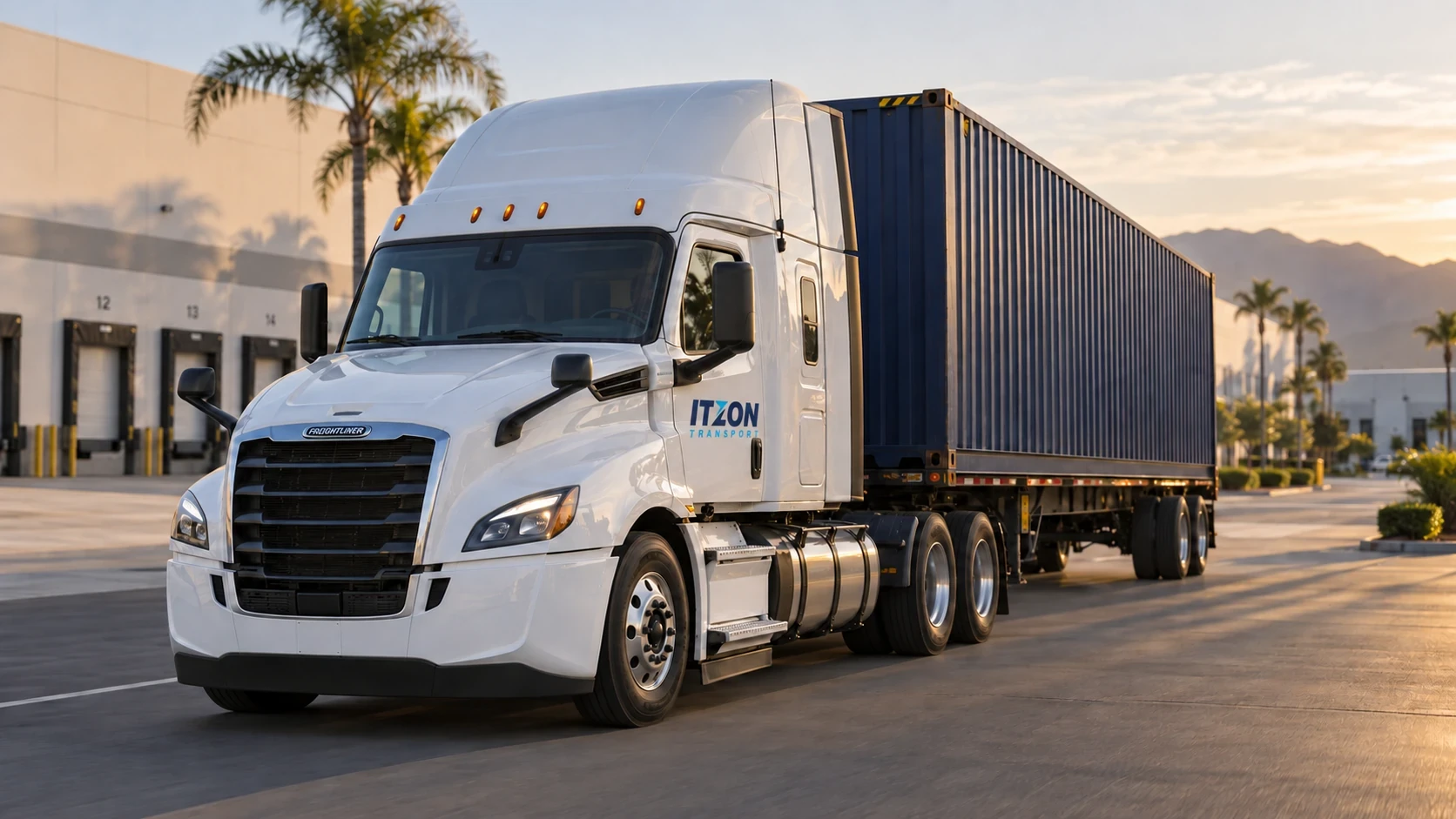
ITZON TRANSPORT provides import container drayage from the Port of Long Beach, coordinating container pickup, facility delivery, and empty-container return transportation based on shipment instructions, appointment availability, facility readiness, and equipment availability. Each move depends on current conditions and the information provided at the time of coordination.
For questions about coordinating an import container move or to discuss shipment details, use the quote form below.
Frequently asked questions
Ready to Move a Container?
Get a quote for Port of Long Beach drayage, Southern California delivery, or export container transportation.