
Port of Long Beach Container Pickup Documents: What to Send Your Trucking Company
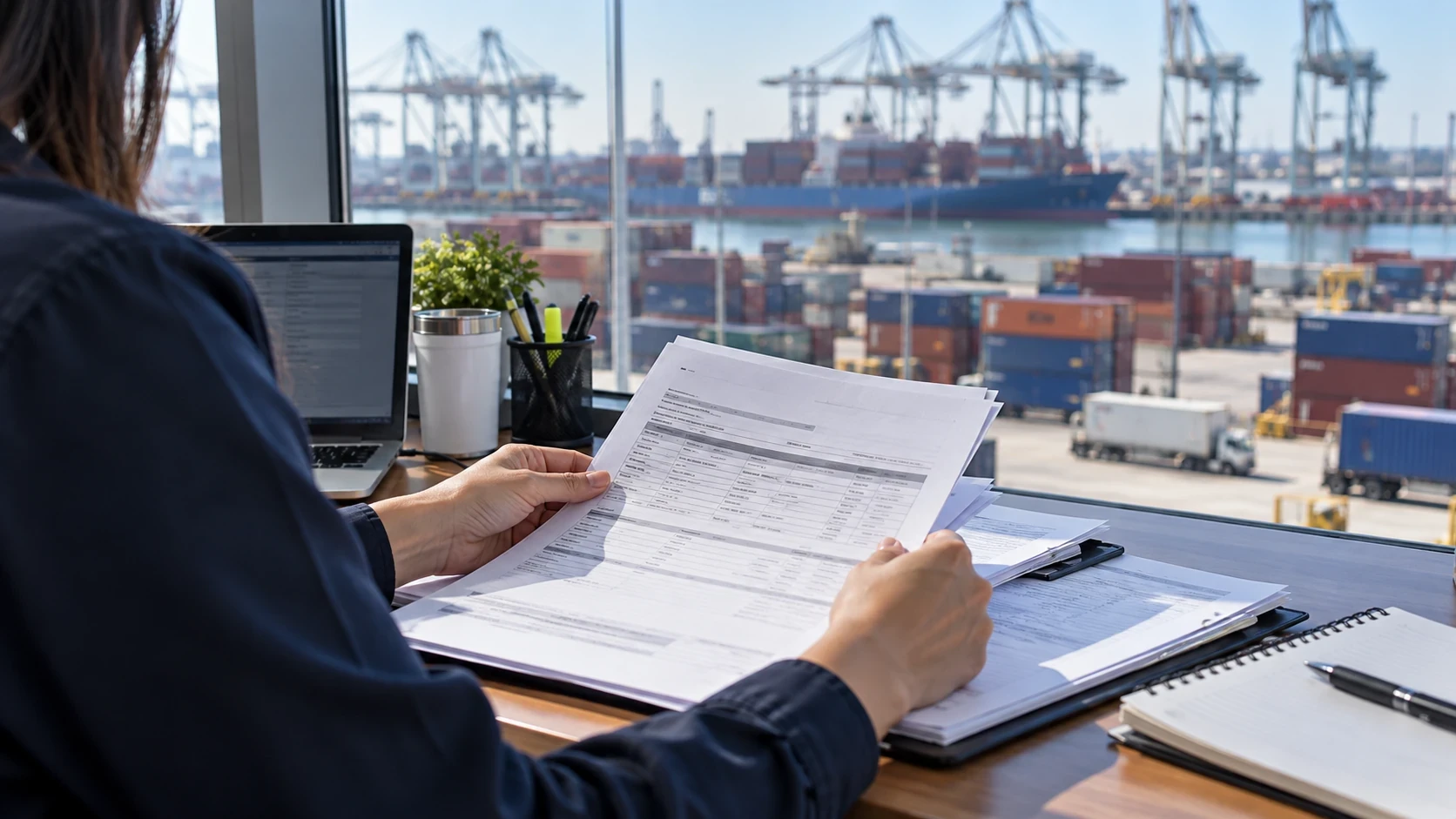
AI-generated illustration.
Quick answer
To get a drayage quote and coordinate your Port of Long Beach container pickup, send your trucking company the container number, ocean carrier and terminal, shipment or B/L reference, release and availability status, Last Free Day, delivery address, receiving hours, and any special facility or equipment requirements. Provide what you have — missing details can be confirmed as they become available.
Coordinating a Port of Long Beach container pickup involves more than a phone call. Your drayage carrier needs specific shipment details to quote accurately, schedule terminal appointments, source the right chassis, and deliver to your facility without delays.
This guide covers what information to gather before contacting dispatch, why each item matters, and how to organize it for a smooth handoff.
What your trucking company needs to quote and book
Before dispatch can confirm availability, pricing, or scheduling, they need the following details. Some can be estimated at the quote stage and confirmed later — but the more complete your information, the faster the process moves.
- Delivery city and ZIP code — Required to calculate mileage, fuel surcharges, and applicable port fees such as PierPass or the Clean Truck Fund Fee. Without a delivery ZIP, a quote cannot be finalized.
- Container size and type — Standard sizes are 20-foot and 40-foot. Type refers to dry van, high-cube, or refrigerated (reefer). Size and type affect chassis availability and pricing.
- Cargo description and approximate weight — Weight determines whether a standard chassis is sufficient or whether an overweight permit may be required. Cargo type affects handling requirements.
- Expected arrival or pickup timing — Vessel arrival date and estimated availability window help dispatch plan driver scheduling and terminal appointment slots.
- Live unload or drop-and-pick preference — A live unload means the driver waits while the container is unloaded. A drop-and-pick means the container is left at the facility and picked up later. Each has different cost and scheduling implications.
If you are still waiting on vessel arrival confirmation, provide your best estimate. Dispatch can begin planning and update details as they are confirmed. requesting a quote.
Shipment documents and references to have ready
Once you are ready to book, dispatch will need the following shipment-specific information. These details come from your ocean carrier, customs broker, or freight forwarder.
| Document or information | How it helps | Who typically provides or confirms it |
|---|---|---|
| Container number | Provided by the ocean carrier or freight forwarder after vessel loading | Ocean carrier or freight forwarder |
| Ocean carrier and terminal | Listed on the bill of lading or shipping instructions | Ocean carrier |
| Shipment or B/L reference | Bill of lading number or booking reference from the carrier | Ocean carrier or freight forwarder |
| Release and availability status | Confirmed through the terminal's online system or your customs broker after customs clearance | Customs broker or terminal |
| Last Free Day (LFD) | Calculated from vessel arrival; confirmed through the terminal or ocean carrier | Ocean carrier or terminal |
Who provides each piece of information
Container pickup involves several parties. Understanding who is responsible for each document or status helps you gather information faster and avoid delays.
- Ocean carrier
- Provides the container number, bill of lading, vessel arrival date, and Last Free Day. The carrier's online portal or customer service line is the primary source for availability and hold status.
- Customs broker
- Handles customs clearance and confirms when the container has been released by CBP. They also coordinate with the terminal on any customs holds or exam notices.
- Freight forwarder
- Manages the overall shipment on behalf of the importer. They often consolidate information from the carrier and broker and can provide a single point of contact for shipment status.
- Terminal operator
- Controls container availability, appointment scheduling, and chassis pools at the specific terminal where the container is discharged. Terminal portals provide real-time availability and hold status.
- Drayage carrier (ITZON TRANSPORT)
- Coordinates the trucking move from the terminal to your facility. Requires release confirmation, terminal appointment, chassis, and delivery details before dispatch can be scheduled.
Common information gaps and how to handle them
It is normal to begin the process before all details are confirmed. Here is how to handle the most common gaps.
- Container number not yet available Provide the vessel name, voyage number, and estimated arrival date. Dispatch can begin planning and update the booking once the container number is confirmed.
- Terminal not yet assigned At the Port of Long Beach, containers are discharged at one of several terminals. If the terminal is not yet assigned, provide the ocean carrier name. Terminal assignment is typically confirmed a few days before vessel arrival.
- Release status pending If customs clearance is still in process, note the expected clearance date. Dispatch can hold the booking and confirm scheduling once release is confirmed. Avoid scheduling pickup before release is granted.
- Last Free Day not yet confirmed LFD is calculated from vessel arrival and is confirmed by the ocean carrier or terminal. If LFD is unknown, provide the vessel arrival date and dispatch can help estimate the window.
- Delivery appointment not yet scheduled Some facilities require appointments; others accept live deliveries. Confirm your facility's receiving process before booking. Dispatch needs receiving hours and any appointment requirements before scheduling.
See also: What is Last Free Day (LFD) and how is it calculated? and Why is my container not available for pickup?.
Information template
The following is a plain-text template you can copy and fill in when contacting ITZON TRANSPORT dispatch. Provide what you have — unknown items can be confirmed as they become available.
Quote details
- Delivery city/ZIP:
- Container size/type and quantity:
- Cargo description and approximate weight:
- Expected arrival or pickup timing:
- Live unload or drop-and-pick preference:
Shipment information
- Container number(s), if available:
- Ocean carrier and terminal, if known:
- Shipment/B/L reference, if available:
- Release/availability status and LFD, if known:
Delivery requirements
- Delivery address and receiving contact:
- Receiving hours/appointment:
- Other facility/equipment requirements:
Frequently asked questions
- How far in advance should I contact a drayage carrier?
- Contact dispatch as soon as you have a vessel arrival date and an estimated container number. For standard moves, two to three business days before the target pickup date is a reasonable minimum. For time-sensitive shipments or moves near the Last Free Day, contact dispatch immediately after customs release is confirmed.
- What if I do not have the container number yet?
- You can still begin the process. Provide the vessel name, voyage number, ocean carrier, and estimated arrival date. Dispatch can prepare a preliminary quote and hold availability. Confirm the container number as soon as it is available from your carrier or freight forwarder.
- Do I need a terminal appointment before contacting dispatch?
- No. ITZON TRANSPORT handles terminal appointment scheduling as part of the drayage service. You do not need to book the appointment yourself. Provide the terminal name and container availability status, and dispatch will coordinate the appointment.
- What is the difference between release status and availability?
- Release status refers to whether the container has been cleared by U.S. Customs and Border Protection (CBP) and any applicable freight or terminal holds have been resolved. Availability refers to whether the terminal has made the container physically accessible for pickup. Both must be confirmed before a drayage move can be scheduled.
- What if I do not know the Last Free Day?
- You can still start the process. Provide what you have — container number, ocean carrier, and shipment reference — and ITZON TRANSPORT dispatch can help identify the terminal and work with you to confirm Last Free Day. Knowing the LFD as early as possible helps avoid demurrage exposure.
- Does ITZON TRANSPORT handle customs clearance?
- No. ITZON TRANSPORT is a drayage carrier. Customs clearance is handled by a licensed customs broker engaged by the importer or their freight forwarder. ITZON TRANSPORT coordinates the trucking move, applicable terminal appointments, chassis, delivery to your Southern California facility, and empty container return.
Sources
- Port of Long Beach — Terminal OperatorsOfficial list of marine terminals at the Port of Long Beach.
- U.S. Customs and Border Protection — Entry ProcessCBP guidance on the import entry and release process.
- Federal Maritime Commission — Demurrage and DetentionFMC guidance on demurrage and detention billing requirements.
Related articles
- The import container delivery process in Southern California
- What is Last Free Day (LFD) and how is it calculated?
- Why a container may not be available for pickup after vessel arrival
- What is a customs exam? VACIS, CES, and port exam holds explained
- Container holds explained: customs, freight, and terminal holds
- Why a container may not be available for pickup after vessel arrival
Ready to coordinate your container pickup?
Start with the information you have. ITZON TRANSPORT dispatch can help identify what is still needed.
Request a Container Pickup QuotePort of Long Beach drayage • Southern California commercial delivery